Two notes about Isaiah. First, he speaks “messianically,” meaning from first person as if he were Jehovah/Messiah speaking. Second, some of the Book of Mormon quotations of Isaiah differ slightly from their corresponding King James passages. There are at least two explanations for this. First, the brass plates contained a variant text—authentic though different. Second, the alterations are the product of Joseph Smith’s interactions with the texts during translation. Either one works for me :).
1 O house of Jacob…Israel…come forth out of the waters of baptism…who swear by the name of the Lord, these are all ways of addressing the covenant people. ‘Swear’ refers to making oaths in a covenant, i.e. at baptism. The point—these words apply to us, as latter-day covenant Israel, as much as they do to Nephi’s people who were the “branch [of Israel] who have been broken off” that Nephi earlier referred to (19:24). So pay attention! The phrase ‘waters of baptism’ is not in the KJV nor was it in the 1830 Book of Mormon, but first appeared in the 1840 edition (but in quotes) doubtless to explain the previous clause. It was later removed, then added for good by apostle James E. Talmage in the 1920 edition.
2 They call themselves of the holy city but they do not stay themselves upon the God of Israel, i.e. hypocrisy. ‘Stay’ as in ‘stay and staff.’ To stay upon the Lord is to get nourishment from him, rely upon him. So the accusation is: You call yourselves the covenant people, but you are not in connection with me at all.
3-7 I have declared the former things from the beginning, he says this several times, and the point he seems to be driving home is that he has revealed, though his prophets, what will happen before it happens (especially bad things) so that Israel would know that He knew, and He warned them, and that He is the true God, and that it would serve them to pay attention next time.
8 transgressor from the womb, from the moment Jacob/Israel covenanted with the Lord, his children became transgressors, as the story of the family in Genesis openly tells. So, we, from the moment of our own spiritual birth at baptism, begin transgressing the moment we leave the water!
9-11 I will defer mine anger, better put, I will hold back the tide of consequences that will come because of your sins. How? Atonement of course. And why? Because “I have chosen thee…” and He loves us. He will not abandon Israel, nor us, despite our abandonment of him. He won’t simply “give his glory to another” (v11).
12-13 I am the first and I am also the last, seems to be ensuring Israel that he has the power to reclaim them, however lost they are.
14-17 I have called him to declare, note the half dozen or more personal pronouns (him, them, who, his) all of which can refer to Christ himself, but perhaps more practically to prophets, preachers, and missionaries. “These things” (v14), this message, this gospel of reclamation, will be declared by the prophets, and by you and me, if we choose, whereupon he “leadeth [us] by the way [we] shouldst go” to teach and preach and do as missionaries do.
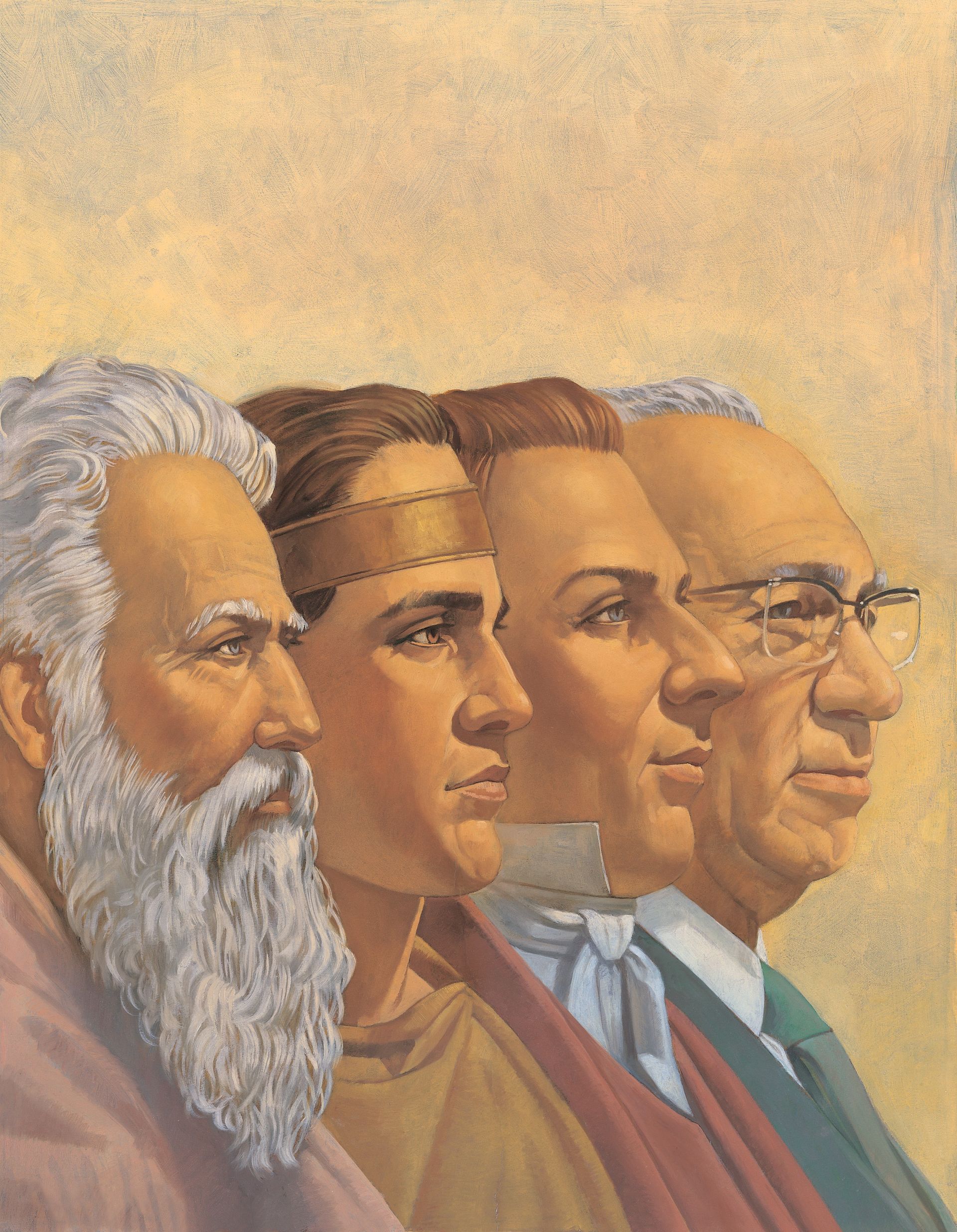
18-19 O that thou hadst hearkened to my commandments—then had they peace been as a river…thy seed also had been as the sand, see 1 Ne 2:8-9 where Lehi uses vs18 when he names the river Laman. These are the promises to Israel had they heeded the prophetic warnings and followed the Lord; and we have the same promises. Importantly, the promise of “seed” is not so much that they will have a lot of children, but that they will have a lot of children of Israel, “For they are not all Israel, which are of Israel” (Rom 9:6). That is, you will have true, Israel-like, righteous seed, and not just seed. In the olive tree analogy, not just fruit but good, edible fruit. 2 Ne 30:2 is on point, noting that any, including Gentiles, are the covenant people of the Lord or “Israel” if they repent; and as many of the Jews as will not repent, well, are NOT Israel, “for the Lord covenanteth with none save it be with them that repent and believe in his Son, who is the Holy One of Israel.” I’m belaboring this, but you get the point.

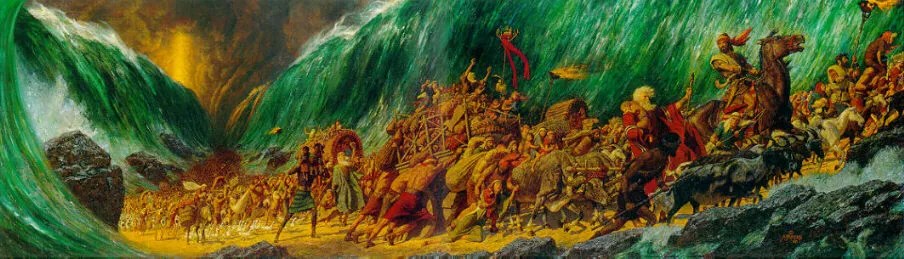
20-21 Go ye forth of Babylon…flee, metaphoric for spiritually separating from the world. Oh, and do it happily, “singing” :). The Lord will assist you, as he did his people in Egypt, for example, and as he did for Lehi and his family!
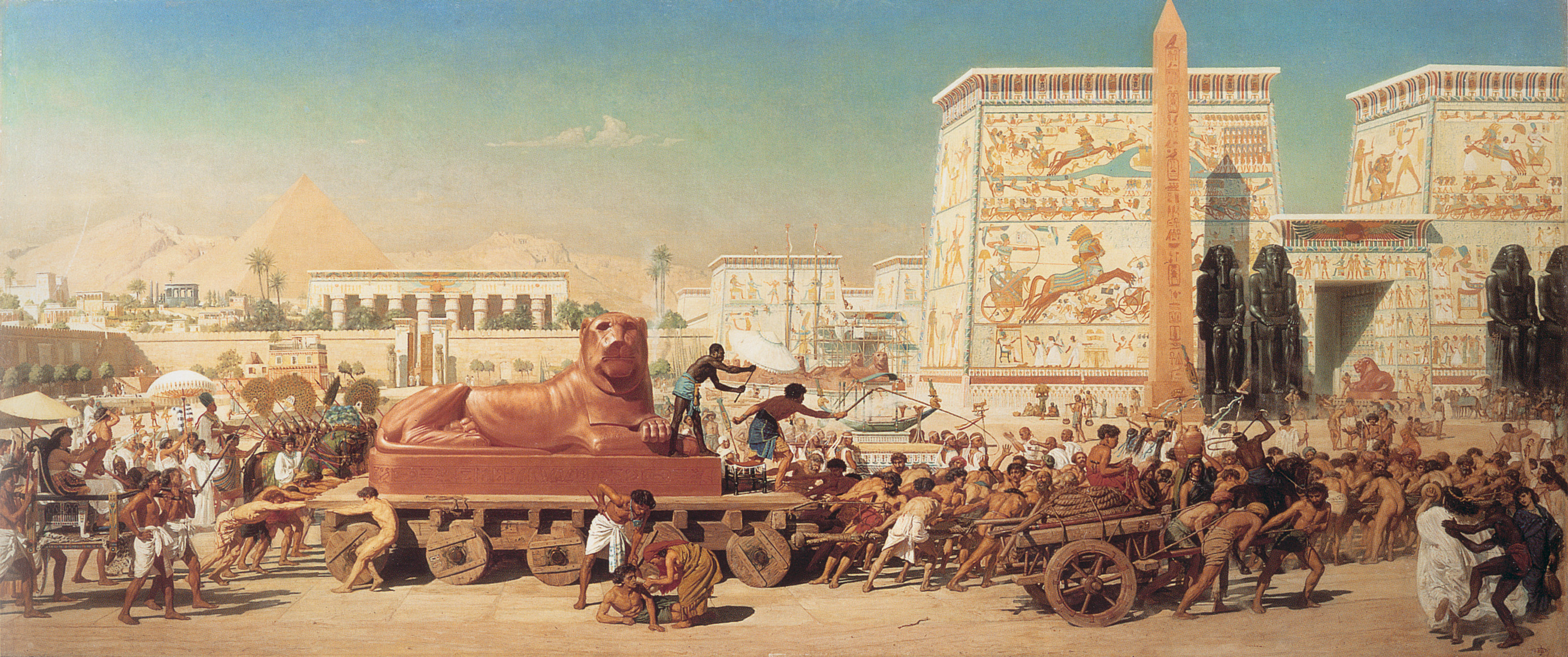
22 notwithstanding he hath done all this, as with Moses’ people and Lehi’s family, helping them escape to a promised land, if they broke the commandments and turned from the Lord (which they did do), their seeking of a peaceful promised land was in vain (and for many, it was).
Point—God can get us out of Babylon, but only we can get Babylon out of us. It will take both to claim the peace and happiness God promises.

